Welcome to Thrive at Every Age
Thrive at Every Age mission is to help you feel stronger, healthier, and more vibrant at every stage of life.

Thrive at Every Age Blog!
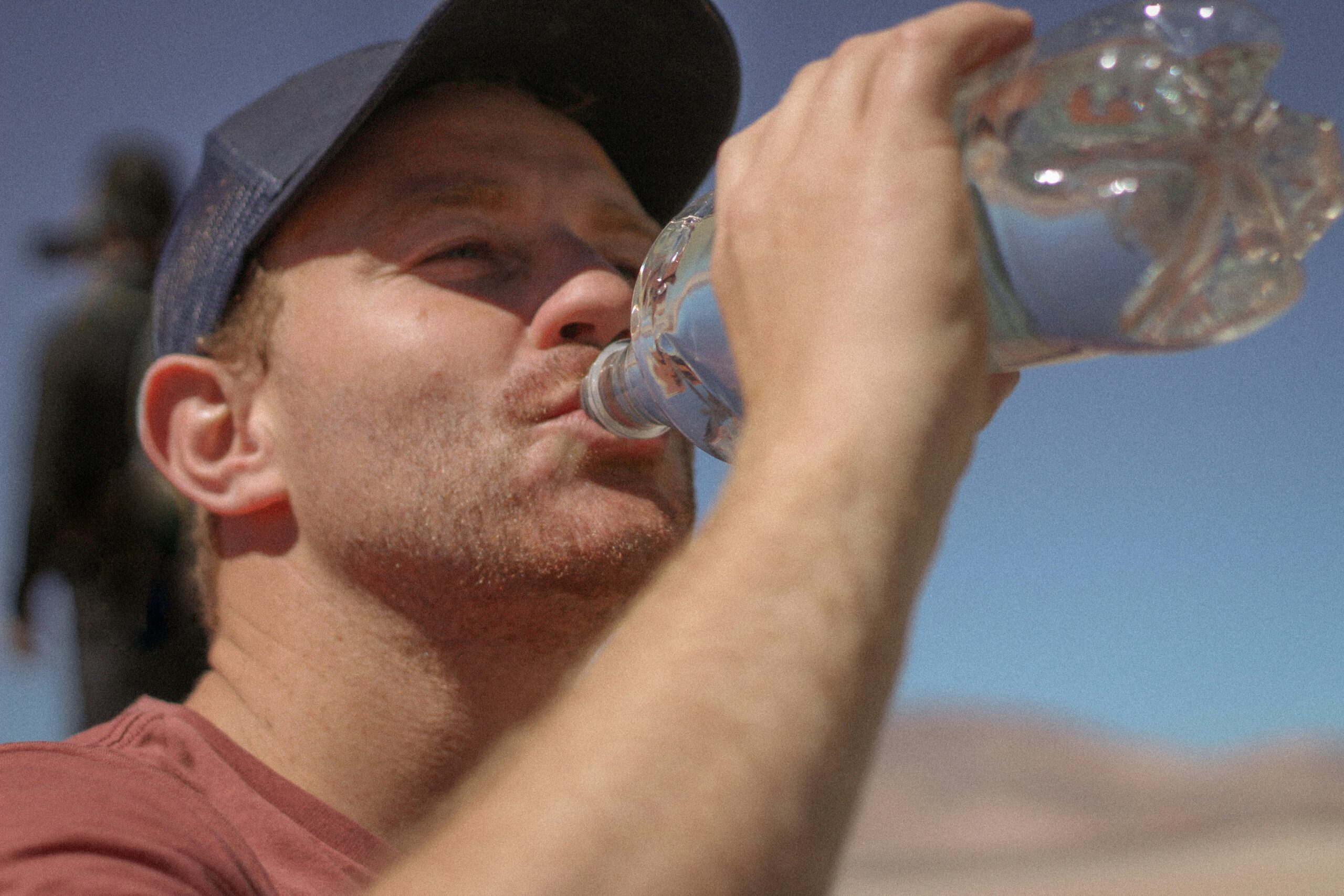
How Much Water Should You Drink in a Day?
Water is essential for good health. It helps regulate body temperature, supports digestion, transports nutrients, and keeps your body functioning properly. But how much water should you drink each day?
How Much Water Do You Need?
A common guideline for healthy adults is to aim for about 2.7 liters (91 ounces) of total water daily for women and 3.7 liters (125 ounces) for men. These amounts include water from all beverages and food, not just plain drinking water.
Your individual needs may vary depending on your age, activity level, climate, and overall health. If you exercise regularly or spend time in hot weather, you may need more fluids.
Signs You May Need More Water
Your body can give you clues when you need more fluids. Common signs include:
- Feeling thirsty
- Dark yellow urine
- Dry mouth or lips
- Headaches or tiredness
Pale yellow urine is generally a useful sign that you are drinking enough water, although some vitamins and medications can affect its color.
Simple Tips to Drink More Water
Staying hydrated doesn't have to be difficult. Keep a reusable water bottle nearby, drink water with meals, and take regular sips throughout the day. Fruits and vegetables such as watermelon, cucumbers, and oranges can also contribute to your daily fluid intake.
Remember that drinking excessive amounts of water in a short period can be harmful. Spread your fluid intake throughout the day and follow medical advice if you have a condition that requires fluid restrictions.
Final Thoughts
There is no single amount of water that works for everyone. Listen to your body's thirst signals, stay hydrated throughout the day, and adjust your intake based on your activity and environment. Small, consistent habits can make a big difference in supporting your overall health and well-being.
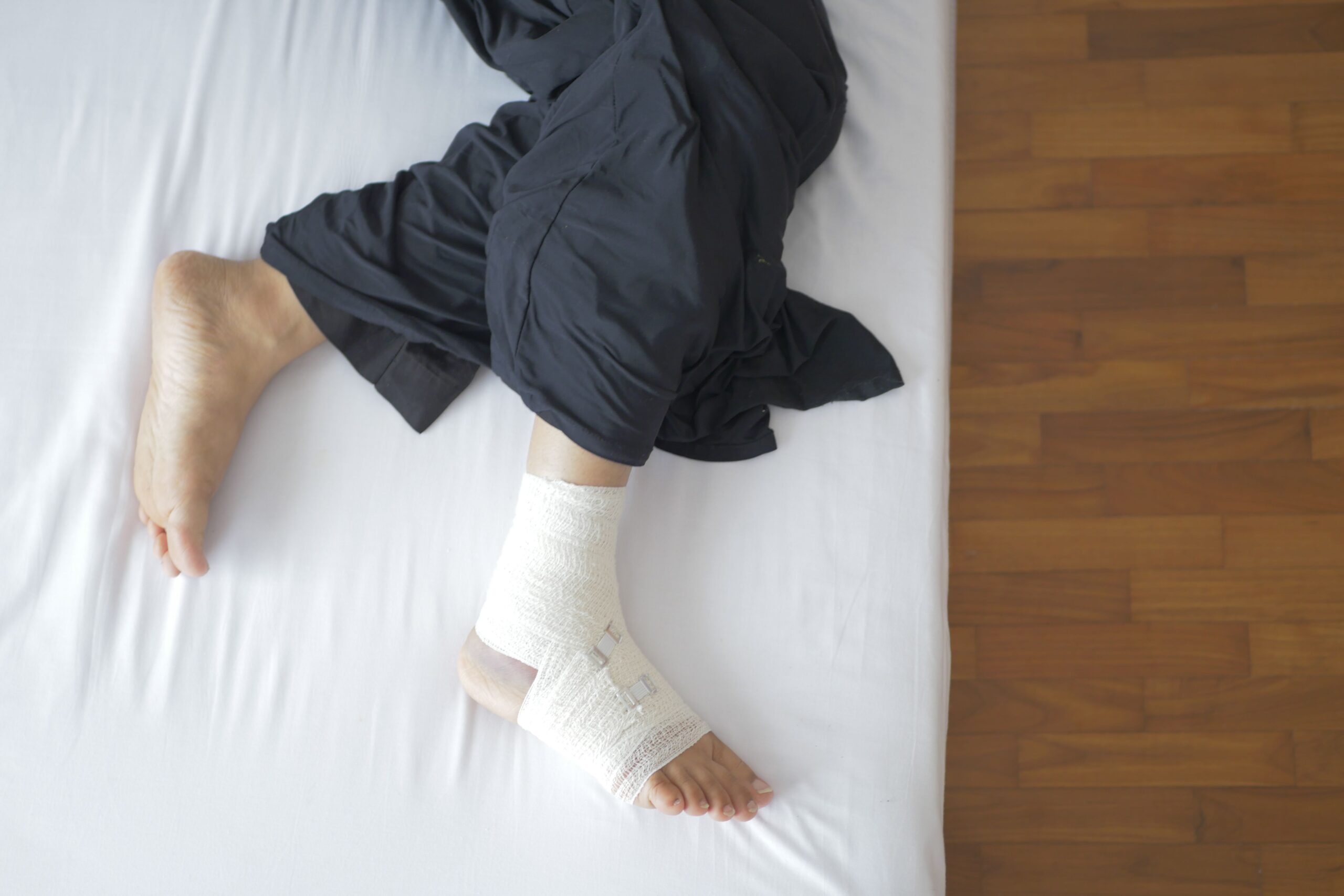
How to Handle Stress When Recovering From an Injury After 50
Recovering from an injury after age 50 can be challenging, both physically and emotionally. You may feel frustrated by slower progress, worry about losing independence, or miss the activities you once enjoyed. The good news is that there are simple ways to manage stress, support your recovery, and maintain a positive outlook.
1. Be Patient With Your Body
As we age, recovery can sometimes take longer. Avoid rushing the healing process or comparing yourself to others. Follow your healthcare provider’s recommendations and celebrate small improvements along the way.
2. Stay Active Within Your Limits
Movement can support your physical and mental well-being when it is safe for your injury. Ask your healthcare provider about appropriate activities, such as gentle walking or prescribed physical therapy exercises. Rest when needed, and avoid movements that could worsen your injury.
3. Manage Stress With Relaxation
Stress can make recovery feel more difficult. Try deep breathing, meditation, gentle relaxation exercises, or listening to your favorite music. Getting enough sleep and maintaining a regular daily routine can also help you feel more balanced.
4. Stay Connected With Loved Ones
An injury can sometimes lead to loneliness, especially if you cannot participate in your usual social activities. Stay connected with friends and family through phone calls, visits, or shared hobbies that fit your current abilities. Talking about your feelings can help reduce worry and frustration.
5. Focus on What You Can Do
Instead of concentrating on your limitations, find activities that bring you joy and give you a sense of purpose. Reading, gardening within your physical limits, learning something new, or spending time with loved ones can help you maintain a positive mindset.
Final Thoughts
Recovering from an injury after 50 is a journey that requires patience, support, and self-care. Remember that healing is not a race, and every small step forward matters. By managing stress, following medical advice, and focusing on what you can control, you can support your recovery and continue enjoying a fulfilling life at any age.